Theatrical Elegance: Folded Red Velvet Drapery Design
There is an immediate sense of anticipation that comes with the heavy sweep of a Decorative Stage Curtain. It isn’t just a piece of fabric; it is the barrier between the mundane world and the spectacle about to unfold. In the realm of design assets, few elements capture this drama as effectively as high-quality stock imagery of Folded Red Velvet. Whether you are a set designer creating a mood board or a digital marketer looking for a rich background texture, understanding the visual weight and application of this material is essential for elevating your project from flat to fantastic.
Anatomy of a Visual: The Personality of Red Velvet
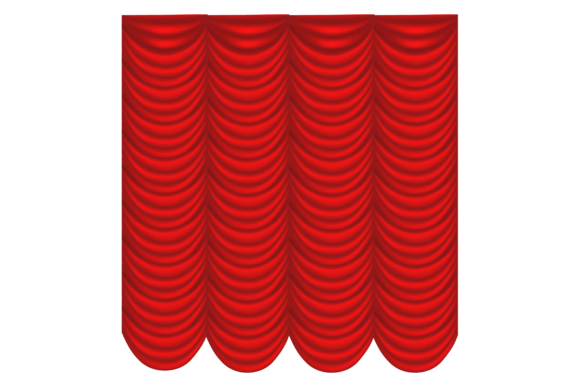
When we look at a Decorative Stage Curtain. Folded Red Vel composition, we aren't just seeing a color; we are seeing texture and depth. The visual characteristics of red velvet are distinct. Unlike a flat digital red, velvet absorbs and reflects light in a way that creates deep, almost black shadows in the folds and bright, saturated highlights on the ridges. This high-contrast interplay gives the image a three-dimensional quality.
The personality of this style is undeniably classic and opulent. It evokes a sense of tradition, theater, and high-stakes drama. However, depending on the lighting and the specific shade of red—ranging from a bright scarlet to a deep burgundy—it can also feel warm and inviting. For designers, this texture serves as a powerful psychological cue. It signals importance and a premium experience. In the context of modern typography and layout design, using such a rich background requires a careful balance to ensure the content remains the hero, but when done right, it provides a foundation of luxury that flat colors simply cannot match.
File Formats: Versatility Across Platforms
Sourcing the right file format for this design asset is just as important as the image itself. A standard search for "Folded red velvet drapery isolated on white background" will often yield various formats, each serving a specific technical purpose:
- EPS (Encapsulated PostScript): This is the gold standard for print designers. If you are working on large-scale packaging design or physical banners, an EPS file allows you to scale the velvet texture infinitely without losing quality. It is particularly useful for editorial design where high DPI is mandatory.
- JPG (Joint Photographic Experts Group): The most common format for web use. JPGs are excellent for background textures in web design because they load quickly and handle the complex color gradients of velvet well. However, they do not support transparency.
- SVG (Scalable Vector Graphics): While less common for photographic textures like velvet (which are raster-based by nature), SVGs are vital for the logo design elements that might accompany the curtain. If the asset includes vector overlays, this format is essential.
- Transparent PNG: This is the powerhouse for social media graphics and compositing. Because the velvet is isolated on a white background, removing that background to create a transparent PNG allows you to layer the curtain over other images, text, or solid colors seamlessly.
Strategic Application: From Brand Identity to Digital Marketing
How do we actually use a Decorative Stage Curtain in a professional context? The applications are surprisingly diverse, extending far beyond theater posters.
Brand Identity and Perception
For a small business owner or entrepreneur, brand perception is everything. If your brand identity revolves around luxury, exclusivity, or entertainment, incorporating the texture of Folded Red Velvet into your visual language can significantly boost recognition. Imagine a high-end subscription box service: using this velvet texture on the inner lid of the packaging or as the background of the "Welcome" card instantly elevates the perceived value of the product. It tells the customer that what they are holding is special. Similarly, in logo design, a subtle velvet texture applied to a wordmark can set a brand apart from competitors using flat, generic colors.
Digital and Editorial Design
In the world of publishing and editorial design, texture guides the eye. A premium font set against a velvet background requires careful attention to visual hierarchy. Because the background is busy, the typography must be bold and high-contrast. This is where a strong serif font or a clean sans serif font shines. You want to avoid script fonts or intricate handwritten fonts here, as the complexity of the fabric texture will swallow the delicate strokes of the letters, ruining readability.
For web design, a velvet curtain can serve as a dramatic hero section for a landing page promoting an event, a gala, or a premium product launch. However, practical guidance suggests using it sparingly. A full-screen velvet background can be visually heavy and slow down page load times. Instead, consider using it as a framing device—perhaps on the left and right margins of a content-heavy site—to create a "stage" effect for the main text.
Practical Guidance for Creatives
If you are considering integrating this creative font—or rather, creative texture—into your workflow, here are some real-world observations to keep in mind.
Evaluating Project Fit
Not every project calls for red velvet. It is a specific stylistic choice. It works best for:
- Entertainment Industry: Theater programs, movie posters, music album covers.
- Luxury Goods: Jewelry ads, high-end alcohol branding, VIP event invitations.
- Seasonal Marketing: Valentine's Day campaigns or holiday sales (red is a powerful emotional trigger).
It generally works poorly for minimalist tech startups, medical industries, or eco-friendly brands where the "heaviness" of the velvet might conflict with the message of lightness or transparency.
Testing Font Pairings and Color
When overlaying text on a Folded Red Velvet background, font pairing is critical. You need a typeface that can hold its own. A bold, geometric sans serif font often provides the best contrast against the organic curves of the fabric. If you are using a display font for a headline, ensure the tracking (letter spacing) is wide enough to let the texture breathe.
Color choice is equally vital. While gold and silver are traditional pairings for red velvet, they can often look dated or gaudy if not executed with modern design sensibilities. Instead, try pairing the red velvet with a crisp white or a soft cream. This creates a high-contrast, modern look that feels clean rather than cluttered. If you are building a brand identity, test your logo in black and white against the texture to ensure it remains legible regardless of color treatment.
Licensing and Commercial Use
Finally, always verify the licensing. If you are downloading a vector pack or stock image of velvet, check if it is available for commercial font and asset use. Most stock sites offer standard licenses for web use, but if you plan to print the texture on merchandise (t-shirts, mugs) for resale, you will likely need an extended license. Treat the asset with the same legal diligence you would a premium font.
Conclusion
The Decorative Stage Curtain. Folded Red Vel is more than just a stock photo; it is a tool for storytelling. By understanding the interplay of light and shadow in the fabric, choosing the right file format for your medium, and pairing it with legible, strong typography, you can harness the drama of the theater to create compelling visual communications. Whether for a digital ad or a printed brochure, this texture offers a timeless way to capture attention and convey a sense of premium quality.