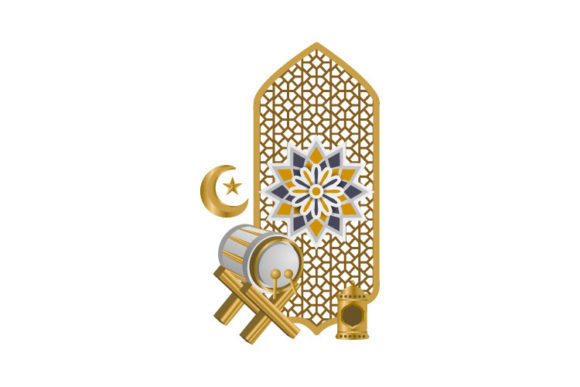
Islamic Illustration Decorative Ornament: A Design Essential
The world of design is constantly hungry for authentic, culturally rich assets that add depth and storytelling to a project. When you need to evoke a sense of history, spirituality, and intricate beauty, few things compare to high-quality Islamic Illustration Decorative Ornament. This isn't just a random collection of shapes; it is a sophisticated design system rooted in centuries of artistic tradition. For graphic designers, brand strategists, and content creators, these vector elements offer a bridge between ancient artistry and modern digital needs. Whether you are building a brand identity from scratch or looking to enhance an existing layout, understanding how to utilize these intricate patterns can elevate your work from standard to stunning.
The Visual Language of Geometry and Flora
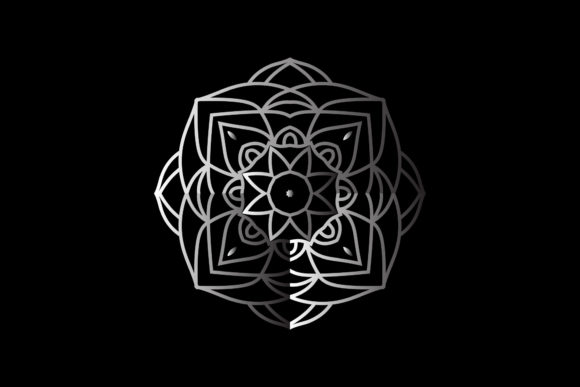
At its core, Islamic ornamentation is defined by its mathematical precision and organic flow. Unlike some modern typography or graphic elements that rely on bold, blunt strokes, these illustrations thrive on repetition and tessellation. You will notice three primary visual themes when working with this design style: geometric patterns, arabesque (vegetal scrolls), and calligraphy.
The geometric aspect relies on interlocking stars, polygons, and complex lattices. These are not just random decorations; they represent the infinite nature of the universe. For a designer, this means you have access to seamless patterns that create a mesmerizing visual rhythm. On the other hand, the arabesque elements bring a softer, more organic feel with intertwining vines and leaves, often symbolizing growth and life. The combination of these rigid geometries and soft botanicals creates a unique personality—balanced, harmonious, and deeply sophisticated. This style is inherently versatile, acting as a perfect counterpoint to both serif fonts and sans serif fonts.
Why Vectors Matter for Modern Print and Web
When sourcing an Islamic Illustration Decorative Ornament pack, the file format is just as important as the design itself. The specific asset pack we are discussing includes Ai, Eps, Svg, Png, and Jpg files. Why does this matter to you? Because versatility is the currency of modern design.
If you are a crafter or a small business owner working on physical products, the vector formats (Ai, Eps, Svg) are non-negotiable. Vectors allow you to scale these intricate patterns to the size of a billboard or shrink them down for a delicate piece of jewelry packaging without losing a single pixel of quality. The lines remain crisp; the geometry remains mathematically perfect. Conversely, for digital marketers and bloggers, the Png and Jpg formats allow for quick drag-and-drop implementation into social media graphics or website headers. Using these as a background element in web design can add a layer of cultural depth that a standard stock photo simply cannot achieve.
Strategic Applications: From Branding to Editorial Design
How do you actually use these assets in a way that feels fresh rather than cliché? The key is to treat these illustrations as a premium font or a primary design element rather than just a watermark.
In packaging design, for example, a gold foil geometric border can instantly signal luxury and exclusivity. If you are working on a logo design for a restaurant, a wellness brand, or a boutique hotel, incorporating a subtle arabesque element can help establish a specific brand identity that communicates tradition and quality. For editorial design and publishing, these ornaments make for breathtaking chapter headers or page borders in books, particularly for genres focusing on history, spirituality, or fiction set in the Middle East.
Furthermore, consider the digital space. Social media graphics often suffer from looking too generic. By layering an Islamic Illustration Decorative Ornament vector as a textured background behind bold typography, you create immediate visual hierarchy. It draws the eye without overpowering the message. It works exceptionally well for seasonal campaigns, such as Ramadan or Eid, but the abstract beauty of the patterns makes them suitable for year-round aesthetics in web design and digital portfolios.
Pairing and Readability: A Designer’s Perspective
One of the biggest challenges with highly detailed decorative elements is ensuring they don't compete with your text. This is where your choice of typeface becomes critical.
Because Islamic ornamentation is intricate and "busy," it pairs best with clean, legible typography. A geometric sans serif font often creates a beautiful, modern contrast, bridging the gap between ancient pattern and contemporary minimalism. Alternatively, a classic serif font can lean into the traditional feel, creating a cohesive, heritage-inspired aesthetic.
Avoid pairing these ornate backgrounds with complex script fonts or handwritten fonts for body copy, as the visual noise will make the text unreadable. Instead, use the ornament for the background or as a standalone graphic element, and let your typography breathe in clean white space. Always test your font pairing on both mobile and desktop screens. The intricate lines of the vector might look sharp on a 4K monitor but could become muddy on a small smartphone screen if not handled correctly.
Practical Checklist for Implementation
Before you finalize your project, run through these practical steps to ensure you are getting the most out of your design assets:
- Check the License: Always verify if the asset is for personal use or if it includes commercial font and asset licensing. If you are using this for a client's product packaging or a paid advertisement, you need the appropriate rights.
- Color Adaptability: A strong vector ornament should work in monochrome (black and white) as well as color. Test the element in a single color to ensure the shapes are distinct and don't merge into a dark blob.
- Scalability Test: Zoom in on the vector file. Are the anchor points clean? Is the geometry accurate? High-quality modern typography and vector assets should look perfect at any zoom level.
- Contextual Relevance: Does the specific style of the ornament (e.g., Moroccan vs. Ottoman vs. Persian) match the cultural context of your project? Do your research to ensure authenticity and respect for the source material.
Ultimately, an Islamic Illustration Decorative Ornament is more than just a clipart; it is a powerful storytelling tool. By using these elements thoughtfully, you can create designs that are not only visually arresting but also rich in meaning and history. Whether you are designing a wedding invitation or a corporate brochure, these vectors provide the structure and elegance needed to make your work stand out.