Flowers Houseplant Decorative: Infusing Organic Elegance into Your Designs
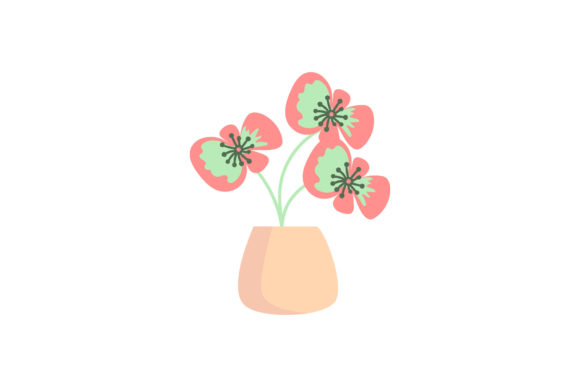
There is a distinct shift happening in visual branding right now. We are moving away from the rigid, geometric lines of the last decade and leaning heavily into organic textures, earthy palettes, and designs that feel lived-in. As a designer or business owner, capturing this "botanical chic" aesthetic can sometimes feel forced if you rely solely on stock imagery. That is where the Flowers Houseplant Decorative design asset steps in. It is not just a picture of a plant; it is a versatile, high-fidelity piece of digital art that acts as a bridge between nature and professional typography.
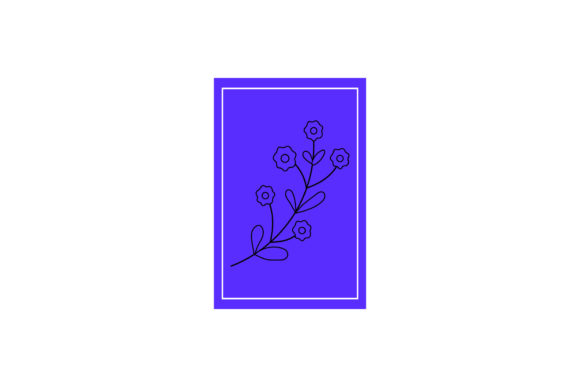
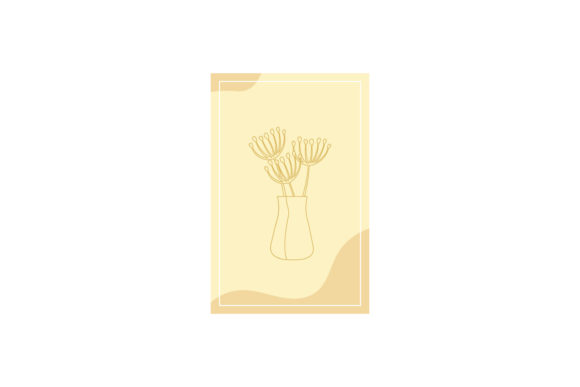
When you first look at this asset, the immediate impression is one of lush depth. The visual characteristics are defined by intricate line work and a sense of movement that mimics the way real foliage grows. Unlike flat, minimalist icons, this design carries a personality that is both sophisticated and welcoming. It feels like a modern display font companion—something that commands attention without shouting. The style leans into a naturalistic illustration technique, making it perfect for projects that require a touch of warmth without sacrificing professionalism. It is the kind of asset that instantly elevates a layout from "digital template" to "curated design."
Maximizing the Versatility of Your Design Assets
One of the most common struggles I see with creatives and entrepreneurs is finding assets that translate well across different mediums. You might find a graphic that looks great on a computer screen but turns into a muddy mess when printed on a tote bag or a shirt. The Flowers Houseplant Decorative collection solves this problem by providing a comprehensive suite of file formats: AI, SVG, Transparent PNG, JPG, and EPS.
This variety is your safety net. If you are working on logo design or packaging design, the vector files (AI, SVG, EPS) allow you to scale the floral elements to the size of a billboard or shrink them down for a business card without losing a single pixel of crispness. For social media graphics, web design, or quick mockups, the Transparent PNG is invaluable. You can layer the houseplant elements over complex backgrounds, photos, or color gradients without worrying about messy white boxes surrounding your art.
Consider the specific applications mentioned: shirts, clothes, posters, stickers, and cards. This is where the "Houseplant" theme truly shines. For a small business owner running a print-on-demand store, this design is a ready-made bestseller. It fits perfectly into the "plant mom" or "urban jungle" demographic. Imagine this design screen-printed on a heavy cotton tee or used as the central motif for a boutique greeting card. The Canvas Size of 1920px x 1280px is also a thoughtful inclusion. It is natively optimized for high-definition screens, making it immediately usable for YouTube thumbnails, website headers, or Facebook cover photos without needing to resize or crop awkwardly.
Integrating Nature into Brand Identity and Visual Hierarchy
Using a decorative element like this is about more than just filling empty space; it is about shaping brand perception. In editorial design and marketing, visual hierarchy guides the viewer’s eye. The organic curves of the houseplant design can be used to frame text, create borders, or soften the hard edges of standard sans serif or serif fonts.
When you pair a structured, modern typography style with the flowing lines of the Flowers Houseplant Decorative design, you create a visual contrast that is very pleasing to the eye. It prevents your design from looking too sterile. For bloggers and publishers, using this asset as a recurring motif—perhaps in the sidebar or as a footer graphic—builds brand consistency and recognition. Your audience starts to associate that organic, calming aesthetic with your content.
Furthermore, this asset influences readability indirectly. A page that is just text is exhausting to read. By breaking up content with this decorative floral art, you give the reader's eyes a place to rest. It creates "breathing room" in your layout. This is a practical application of design psychology. You aren't just decorating; you are improving the user experience and audience engagement by making the information easier to digest.
Practical Guidance for Implementation and Font Pairing
To get the most out of Flowers Houseplant Decorative, you need to approach it with a strategy. Here is how I recommend integrating this asset into your workflow:
- Evaluate the Context: Before dropping the asset into your file, ask yourself what the "mood" of the project is. If you are designing for a high-tech finance app, this might be too whimsical. But if you are working on wellness branding, lifestyle blogging, or artisanal product packaging, it is the perfect fit.
- Test Your Font Pairings: Because the design is intricate, it pairs best with typefaces that are clean and legible. Avoid overly complex script fonts or handwritten fonts for your main body copy, or the visual noise will be overwhelming. Instead, try a sturdy serif font for headlines to give it a classic editorial feel, or a geometric sans serif font for a clean, modern look. Let the floral design provide the complexity, and let your typography provide the clarity.
- Color Harmony: Since the file formats include options for transparency, you have full control over the color story. You can keep it monochromatic for a sophisticated, high-end look, or use vibrant greens and earth tones to emphasize the natural theme.
- Licensing and Professionalism: Always ensure you are using commercial fonts and assets correctly. If you are using this for a client project or selling merchandise, verify that your license covers commercial use. Using premium font assets and high-quality graphics like this one signals to your clients and customers that you value quality and operate professionally.
Ultimately, Flowers Houseplant Decorative is more than just a file on your hard drive. It is a tool for storytelling. Whether you are a crafter making stickers for a local market or a brand strategist developing a visual identity for a lifestyle startup, this design offers a way to inject life, warmth, and organic beauty into your work. It bridges the gap between digital precision and natural aesthetics, making it a worthy addition to any creative's toolkit.